It was clear from running the initial In the Wild sessions that many learners were struggling with their mobility finding simple movements such as bending down challenging. The Movement Programme ran for three weeks, with 60-minute sessions for 2-12 learners from Years 7 & 8.
Our Movement workshops helped to combat the increasing sedentary lifestyles of learners, driven primarily by excessive smartphone usage, and to improve their mental, physical health, and overall wellbeing.
Through engaging, structured activities, we provided a fun, challenging (physically & mentally) and interactive outlet for movement beyond traditional PE or sports settings. By integrating proven wellbeing tools with the scientifically validated benefits of physical activity and play, the programme sought to equip learners with practical techniques for emotional regulation and cultivate a lasting appreciation for movement.
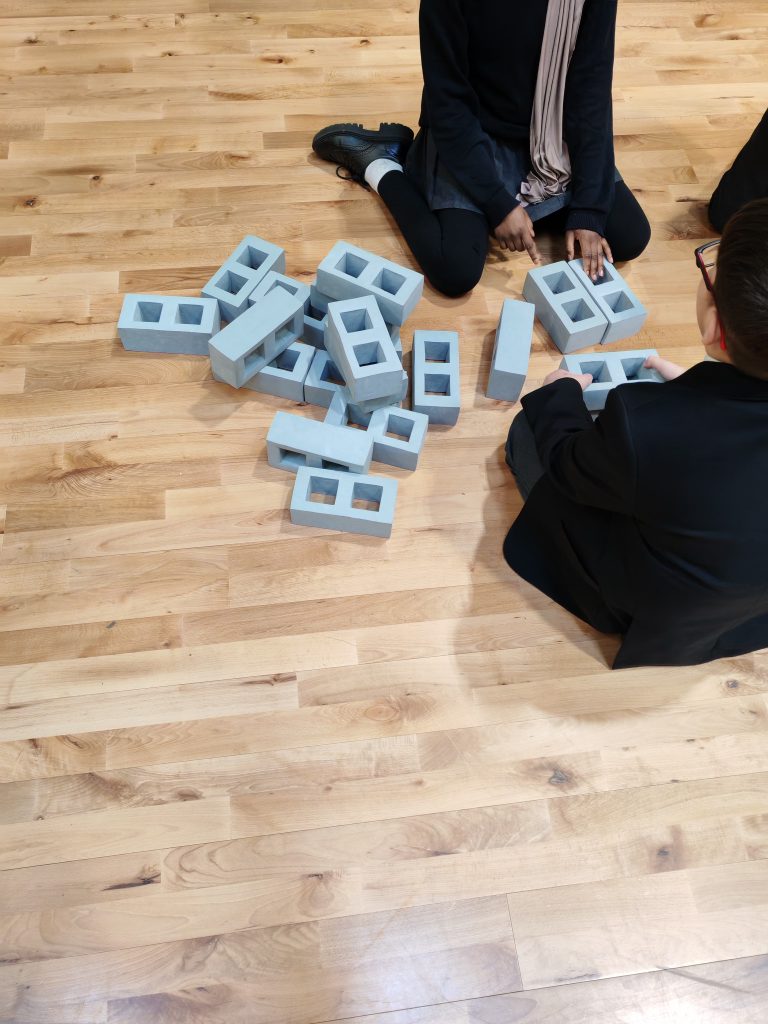
These sessions prioritised unstructured play, recognising its scarcity in secondary education and its power to help kids to connect and feel good in the moment. Play served as a vital emotional release, reducing academic pressures and fostering joy.
One learner wrote “I don’t usually smile but today I did”.
Coach Laura “it was incredible to see teenagers going from being self conscious and anxious to totally letting go to smiling laughing and stepping in to play and movement so easily. It was lovely to hear laughter and see so many smiles.”
Activities encouraged learners to reconnect with their “inner child,” promoting carefree enjoyment and stress reduction. The parachute game and beach ball activities fostered teamwork, communication, and rapport.
Staff reported positive impacts on learners’ wellbeing and engagement and SLT members recognised the importance of play for secondary learners and encouraged its integration into lessons, at am all staff meeting.
The Movement programme successfully addressed the physical and emotional needs of learners, providing a valuable outlet for movement and wellbeing development. The program’s findings underscore the importance of incorporating movement-based interventions into the school curriculum, addressing mobility limitations, fostering play, and promoting positive body awareness. The programme also highlighted the need for increased awareness of learners’ physical limitations and the importance of adapting activities accordingly.
Glimmers from the Session(s)
I get to skip maths for this and friends making me laugh
Feeling: Very happySkipping maths ( I dont like maths)
Feeling: GoodI had a sub and we got to run around
Feeling: HappyI liked playing with the parachute because it is very entertaining
Feeling: JoyfulThat got calm after taking a breath
Feeling: GoodMe and x scrunching up our faces at each other and laughing at eachother.
Feeling: it made me feel happyLike playing with the parachute, cause it’s very entertaining
Feeling: JoyfulGetting ready to go places
Feeling: AmazingDoing the parachute as it can be fun when I try it
Feeling: Fun and excitingParachute / bouncy ball
Feeling: Happy